1.2. Structural Organization of the Human Body
Structural Organization of the Human Body
Before we dive into the detailed anatomy and physiology of the human body, it's crucial to understand its basic architecture. The body is built upon a hierarchical structure, progressing from the simplest chemical elements to the complex, integrated human organism.
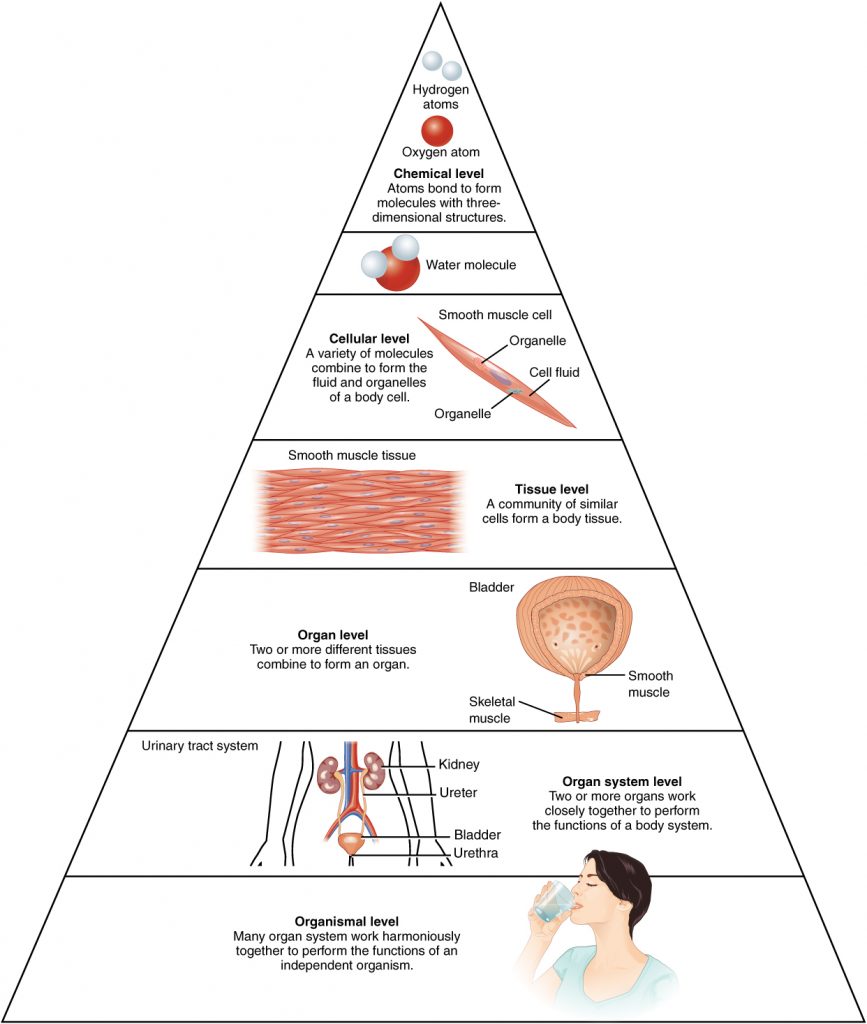
The Levels of Organization
1. Chemical Level
At the most fundamental level, all living and non-living matter is composed of atoms and molecules. These include essential elements like carbon, oxygen, and hydrogen. Molecules such as proteins and carbohydrates form the molecular machinery of life and play vital roles in biological reactions.
2. Cellular Level
Cells are the basic functional units of life. Human beings are multicellular organisms composed of trillions of specialized cells—such as neurons and muscle cells—working together. Organelles within cells, including the nucleus and mitochondria, allow each cell to carry out specific tasks.
3. Tissue Level
Groups of similar cells form tissues. The four primary tissue types are:
- Epithelial: Covers surfaces and lines cavities
- Connective: Supports and binds other tissues
- Muscle: Enables movement
- Nervous: Sends electrical signals
4. Organ Level
An organ is a structure composed of at least two tissue types. Examples include the heart, which contains muscle, connective, and epithelial tissue to support circulation.
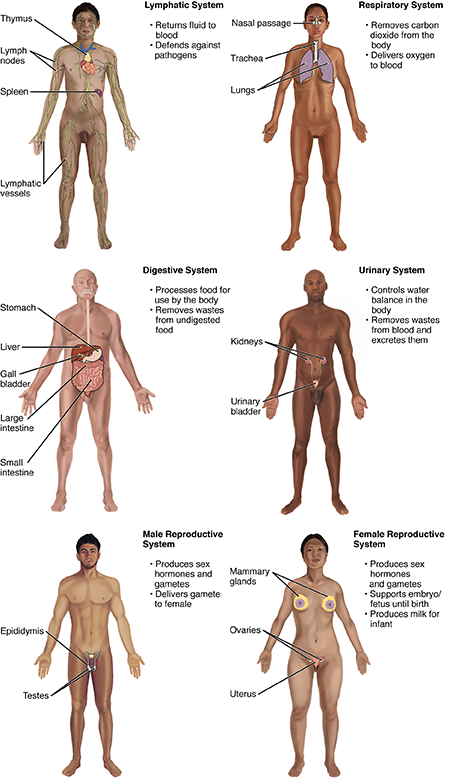
5. Organ System Level
Organ systems are groups of organs that collaborate to perform major functions. For example:
- The digestive system includes the stomach, intestines, liver, and pancreas.
- The cardiovascular system involves the heart and blood vessels.
6. Organism Level
At the top of the hierarchy is the organism itself—the fully functional human being. All systems work in harmony to sustain life, adapt to change, and support complex behaviors. This level showcases the integration of all components to form a responsive, dynamic whole.